
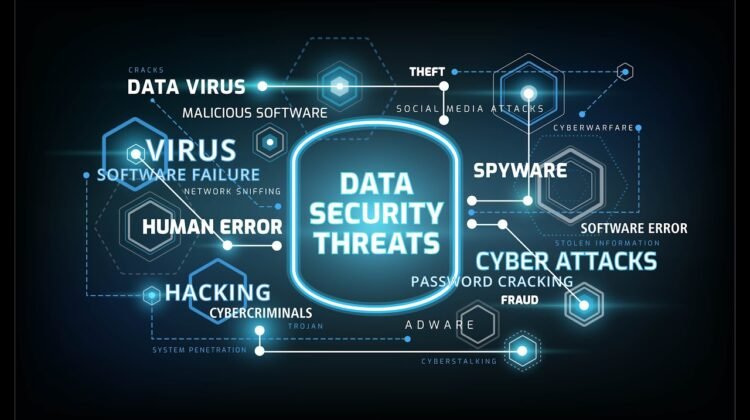
Top 10 Cybersecurity Threats Small Businesses Face in 2026
As technology continues to evolve, cybercriminals are becoming more sophisticated in their attacks. While large corporations often make headlines after security breaches, small businesses are increasingly becoming prime targets for cybercrime. Many small organizations lack dedicated cybersecurity teams, making them attractive targets for hackers seeking sensitive data, financial information, and network access.
In 2026, cybersecurity is no longer optional for small businesses. Protecting customer data, financial records, and business operations requires a proactive approach to digital security. Understanding the most common threats and implementing preventive measures can significantly reduce the risk of costly cyber incidents.
Why Small Businesses Are Targeted
Many business owners assume cybercriminals focus only on large enterprises. In reality, small businesses are often viewed as easier targets because they typically have fewer security resources and weaker protection systems.
A successful cyberattack can result in:
- Financial losses
- Data breaches
- Operational disruptions
- Reputation damage
- Regulatory penalties
- Loss of customer trust
By recognizing potential threats early, businesses can strengthen their defenses and improve overall security.
1. Phishing Attacks
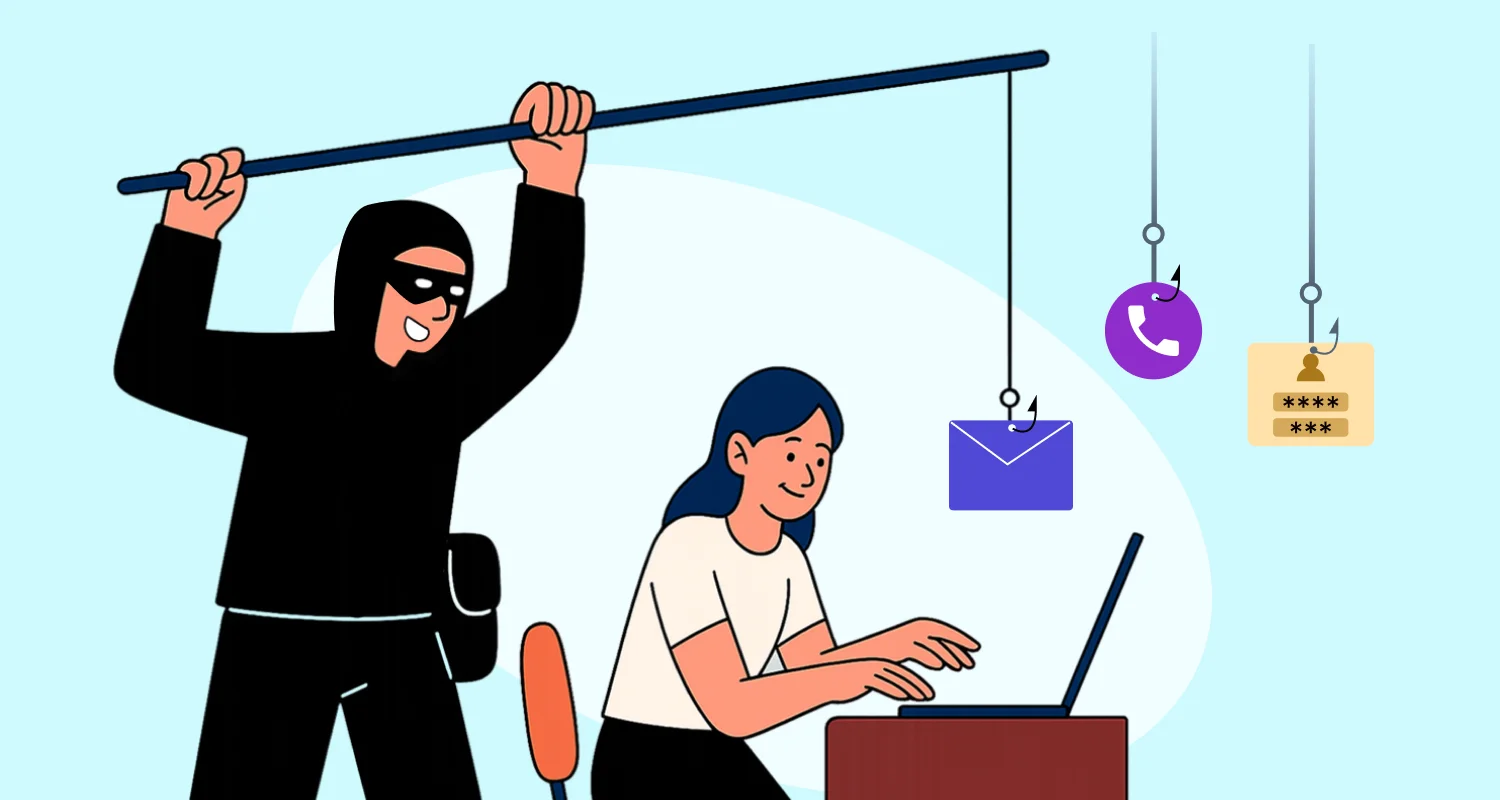
Phishing remains one of the most common cybersecurity threats facing businesses. Attackers send fraudulent emails, messages, or websites designed to trick employees into revealing passwords, financial details, or sensitive company information.
How to Stop It
- Train employees to identify suspicious emails.
- Use email filtering solutions.
- Enable multi-factor authentication (MFA).
- Verify requests for sensitive information.
Employee awareness remains one of the strongest defenses against phishing attacks.
2. Ransomware Attacks
Ransomware encrypts business data and demands payment for its release. These attacks can bring operations to a complete halt and cause significant financial damage.
How to Stop It
- Perform regular data backups.
- Update software and operating systems.
- Use advanced endpoint protection.
- Restrict employee access to critical systems.
Businesses with secure backups can often recover without paying ransom demands.

3. Weak Password Security
Weak or reused passwords continue to be a major vulnerability. Cybercriminals use automated tools to guess passwords and gain unauthorized access to business systems.
How to Stop It
- Require strong password policies.
- Implement password managers.
- Use multi-factor authentication.
- Change passwords regularly.
Strong authentication significantly reduces unauthorized access risks.
4. Insider Threats
Not all cybersecurity threats come from outside the organization. Employees, contractors, or former staff members may intentionally or accidentally expose sensitive information.
How to Stop It
- Limit access based on job roles.
- Monitor user activity.
- Conduct security training.
- Remove access immediately when employees leave.
Proper access controls help minimize insider-related risks.
5. AI-Powered Cyber Attacks
Cybercriminals are increasingly using artificial intelligence to automate attacks, create convincing phishing messages, and identify system vulnerabilities.
AI-generated scams can appear highly realistic, making them difficult to detect.
How to Stop It
- Use AI-driven security tools.
- Continuously monitor networks.
- Educate employees about advanced scams.
- Maintain updated cybersecurity policies.
Businesses must leverage modern security technologies to combat AI-powered threats.
6. Cloud Security Misconfigurations
Many businesses rely on cloud platforms for storage and collaboration. However, improperly configured cloud environments can expose sensitive data to unauthorized users.
How to Stop It
- Regularly review cloud security settings.
- Encrypt sensitive data.
- Implement access controls.
- Conduct security audits.
Proper cloud management reduces the risk of accidental data exposure.

7. Business Email Compromise (BEC)
Business Email Compromise attacks involve criminals impersonating executives, vendors, or trusted contacts to request payments or sensitive information.
These scams often bypass traditional security filters because they appear legitimate.
How to Stop It
- Verify financial requests through multiple channels.
- Train employees to identify suspicious communications.
- Enable email authentication protocols.
- Monitor unusual account activity.
Verification procedures can prevent costly financial fraud.
8. Internet of Things (IoT) Vulnerabilities
Smart devices such as security cameras, printers, and connected office equipment can create security risks if not properly protected.
Cybercriminals may exploit vulnerable devices to gain access to business networks.
How to Stop It
- Change default passwords.
- Keep device firmware updated.
- Segment IoT devices from critical systems.
- Disable unnecessary features.
Securing connected devices strengthens overall network protection.
9. Supply Chain Attacks
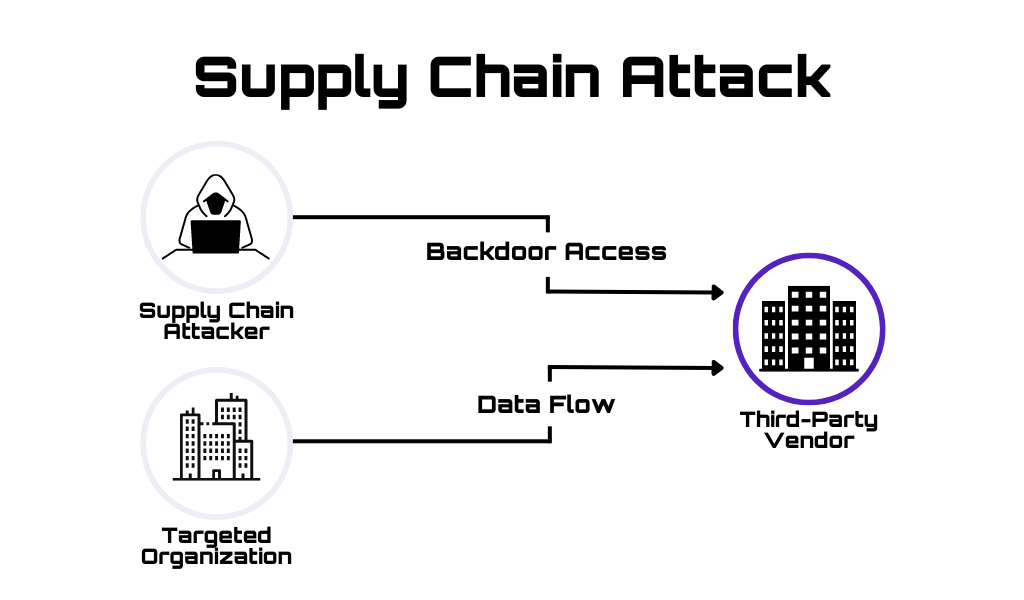
A supply chain attack occurs when cybercriminals compromise a trusted vendor, software provider, or business partner to gain access to multiple organizations.
As businesses become more interconnected, these attacks are becoming increasingly common.
How to Stop It
- Assess vendor security practices.
- Review third-party access permissions.
- Monitor software updates carefully.
- Develop supplier risk management policies.
Evaluating vendor security helps reduce indirect exposure to cyber threats.
10. Data Breaches and Information Theft
Data breaches remain one of the most damaging cybersecurity incidents for small businesses. Stolen customer records, financial information, and proprietary business data can lead to severe consequences.
How to Stop It
- Encrypt sensitive information.
- Implement strict access controls.
- Conduct regular vulnerability assessments.
- Monitor systems for suspicious activity.
Protecting valuable data should remain a top priority for every organization.
Importance of Employee Cybersecurity Training
Technology alone cannot prevent every cyberattack. Employees often serve as the first line of defense against security threats.
Regular training should cover:
- Phishing awareness
- Password security
- Safe browsing practices
- Social engineering tactics
- Incident reporting procedures
Educated employees are far less likely to fall victim to cyber scams and security breaches.
Creating a Cybersecurity Strategy
A strong cybersecurity strategy includes multiple layers of protection rather than relying on a single solution.
Key components include:
- Risk assessments
- Security policies
- Data backups
- Access management
- Employee training
- Endpoint protection
- Incident response planning
A comprehensive approach improves resilience against evolving cyber threats.
The Role of Cyber Insurance
Cyber insurance is becoming increasingly important for small businesses. While insurance cannot prevent attacks, it can help cover financial losses related to:
- Data recovery
- Legal expenses
- Regulatory fines
- Business interruption
- Customer notification costs
Businesses should evaluate cyber insurance options as part of their overall risk management strategy.
Future Cybersecurity Trends
Looking beyond 2026, businesses can expect continued growth in:
- AI-driven security systems
- Zero-trust security models
- Advanced threat detection
- Cloud security solutions
- Automated incident response
Organizations that invest in modern security practices today will be better prepared for future challenges.
Conclusion
Cybersecurity threats continue to evolve rapidly, making proactive protection essential for small businesses in 2026. From phishing attacks and ransomware to AI-powered scams and cloud vulnerabilities, organizations face a wide range of digital risks that can impact operations and reputation.
By implementing strong security policies, training employees, maintaining updated systems, and adopting modern cybersecurity solutions, small businesses can significantly reduce their exposure to cyber threats. Investing in cybersecurity is not simply a technology decision—it is a critical business strategy that supports long-term growth, customer trust, and operational stability.
FAQs
1. Why are small businesses targeted by cybercriminals?
Small businesses often have fewer security resources, making them easier targets for cyber attacks.
2. What is the biggest cybersecurity threat in 2026?
Phishing and AI-powered cyber attacks are among the most significant threats facing businesses.
3. How can businesses prevent ransomware attacks?
Regular backups, software updates, employee training, and endpoint protection can help prevent ransomware infections.
4. Is employee training important for cybersecurity?
Yes, employee awareness is one of the most effective ways to prevent phishing, social engineering, and other cyber threats.
5. What is multi-factor authentication?
Multi-factor authentication (MFA) adds an extra verification step beyond passwords, making unauthorized access much more difficult.