
What Is Responsive Web Design and Why Your Business Needs
In today’s digital-first world, your website is often the first interaction customers have with your business. Whether they’re browsing from a smartphone, tablet, laptop, or desktop computer, users expect a seamless experience regardless of the device they use. This is where responsive web design becomes essential.
As we move through 2026, businesses can no longer afford websites that only work well on certain screen sizes. A responsive website automatically adjusts its layout, images, navigation, and content to provide an optimal viewing experience across all devices. It improves usability, boosts search engine rankings, increases conversions, and enhances customer satisfaction.
This guide explains what responsive web design is, how it works, and why every business should make it a priority.
What Is Responsive Web Design?
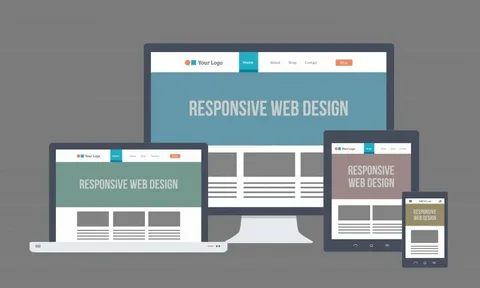
Responsive web design is a web development approach that enables a website to adapt automatically to different screen sizes and resolutions. Instead of creating separate websites for desktop and mobile users, a responsive website uses flexible layouts, scalable images, and media queries to display content correctly on every device.
Whether someone visits your website on a 6-inch smartphone or a 27-inch desktop monitor, the design adjusts to provide a consistent and user-friendly experience.
The primary goal is to ensure visitors can easily read content, navigate pages, and complete actions without excessive zooming or scrolling.
 s without excessive zooming or scrolling.
Why Responsive Web Design Matters in 2026
Consumer behavior has changed dramatically over the past decade. Mobile devices now account for a significant share of internet traffic, and users expect fast, accessible, and visually appealing websites.
A website that doesn’t perform well on mobile devices can frustrate visitors, leading to higher bounce rates and lost sales.
Responsive web design helps businesses:
- Reach users on every device
- Improve customer satisfaction
- Increase website engagement
- Enhance brand credibility
- Generate more leads and sales
- Stay competitive in the digital marketplace
As technology continues to evolve, responsive websites have become the industry standard rather than an optional feature.
Improved User Experience
User experience is one of the most important factors influencing website success.
Responsive websites offer:
- Easy navigation
- Readable text without zooming
- Fast-loading pages
- Properly scaled images
- Touch-friendly buttons
- Consistent layouts
When users can quickly find the information they need, they are more likely to stay on your website and complete desired actions such as making a purchase or submitting an inquiry.
A positive user experience also encourages repeat visits and customer loyalty.

Better Search Engine Rankings
Search engines prioritize websites that provide excellent user experiences across all devices.
Responsive websites typically perform better because they:
- Use a single URL for all devices
- Improve page loading speed
- Reduce bounce rates
- Increase user engagement
- Simplify website crawling
A mobile-friendly website is an important ranking factor, making responsive design an essential component of any modern SEO strategy.
Higher rankings lead to increased visibility and more organic website traffic.

Increased Mobile Traffic
More consumers than ever use smartphones to research products, compare services, and make purchasing decisions.
If your website is difficult to use on mobile devices, potential customers may leave and choose a competitor instead.
Responsive web design ensures visitors enjoy the same quality experience regardless of whether they browse from a phone, tablet, or desktop computer.
This accessibility helps businesses capture a larger share of mobile traffic while improving conversion rates.
Faster Website Loading
Website speed directly affects user satisfaction and search engine performance.
Responsive websites often load faster because they:
- Optimize images
- Reduce unnecessary code
- Improve content delivery
- Eliminate duplicate pages
- Streamline navigation
Faster websites improve engagement while reducing the likelihood that users abandon your pages before they fully load.
Performance optimization remains a critical competitive advantage in 2026.
Easier Website Management
Managing separate desktop and mobile websites increases maintenance costs and complexity. Responsive web design simplifies website management by allowing businesses to maintain a single website for all devices. Benefits include:
- Easier updates
- Lower development costs
- Consistent branding
- Simplified content management
- Reduced maintenance time
Business owners and marketing teams can focus on growing their online presence instead of maintaining multiple website versions.
Higher Conversion Rates
Every business website aims to generate results, whether that means sales, appointments, inquiries, or newsletter subscriptions.
Responsive websites improve conversions by making it easier for visitors to:
- Browse products
- Complete contact forms
- Make purchases
- Read service information
- Navigate checkout pages
Reducing user frustration increases the likelihood that visitors become paying customers.
Small improvements in usability often lead to significant increases in revenue.

Stronger Brand Image
Your website reflects your business. An outdated or poorly functioning website can damage your credibility and create a negative first impression. A responsive website demonstrates professionalism, reliability, and attention to detail.
Customers are more likely to trust businesses that provide polished digital experiences across every device.
Strong branding combined with responsive design builds confidence and strengthens customer relationships.
Future-Proof Your Business
Technology evolves rapidly, with new devices and screen sizes introduced regularly.
Responsive web design uses flexible layouts that adapt to future devices without requiring complete website redesigns.
This scalability protects your investment while ensuring your website remains functional as technology continues to change.
Businesses that embrace modern web standards today will be better prepared for tomorrow’s digital landscape.
Key Features of Responsive Web Design
A high-quality responsive website typically includes:
- Flexible grid layouts
- Mobile-friendly navigation
- Responsive typography
- Optimized images
- Touch-friendly interface
- Fast page speed
- Cross-browser compatibility
- Accessible design
- SEO-friendly structure
- Secure hosting
Together, these features create a website that performs well across all devices and platforms.
How to Get Started
If your current website isn’t responsive, now is the ideal time to upgrade. Work with experienced web designers who understand:
- Responsive development
- User experience (UX)
- Search engine optimization (SEO)
- Performance optimization
- Accessibility standards
- Website security
A professional redesign ensures your website meets current best practices while supporting future business growth.
Conclusion
Responsive web design is no longer a luxury—it’s a necessity for businesses that want to succeed online in 2026. By providing a consistent experience across smartphones, tablets, laptops, and desktop computers, responsive websites improve usability, strengthen SEO performance, increase conversions, and enhance customer satisfaction.
Investing in a responsive website helps your business remain competitive in an increasingly mobile-first world. Whether you’re launching a new website or upgrading an existing one, responsive web design is one of the smartest digital investments you can make for long-term growth and online success.
FAQs
1. What is responsive web design?
Responsive web design is a web development approach that automatically adjusts a website’s layout, images, and content to fit different screen sizes and devices, providing a consistent user experience.
2. Why is responsive web design important in 2026?
With most users accessing websites on mobile devices, responsive web design improves usability, search engine rankings, customer satisfaction, and conversion rates while ensuring compatibility across modern devices.
3. Does responsive web design improve SEO?
Yes. Search engines favor mobile-friendly websites that load quickly and offer a seamless user experience, making responsive design an important factor for better search rankings.
4. Can responsive web design increase sales?
Absolutely. A responsive website makes it easier for visitors to browse products, complete purchases, and contact your business, leading to higher engagement and improved conversion rates.
5. Should I redesign my existing website to make it responsive?
If your current website isn’t mobile-friendly or provides a poor user experience on different devices, redesigning it with a responsive layout is a worthwhile investment that can improve performance, visibility, and customer satisfaction.