
HRMS vs HCM: What’s the Difference and Which Does Your Business Need?
As businesses grow, managing employees becomes increasingly complex. From payroll and attendance to recruitment, performance management, and employee development, organizations need technology that simplifies HR processes while supporting long-term business goals. Two of the most common solutions are Human Resource Management Systems (HRMS) and Human Capital Management (HCM) platforms.
Although these terms are often used interchangeably, they serve different purposes. Understanding the differences between HRMS and HCM can help you choose the right solution for your organization’s size, objectives, and workforce strategy.
What Is an HRMS?
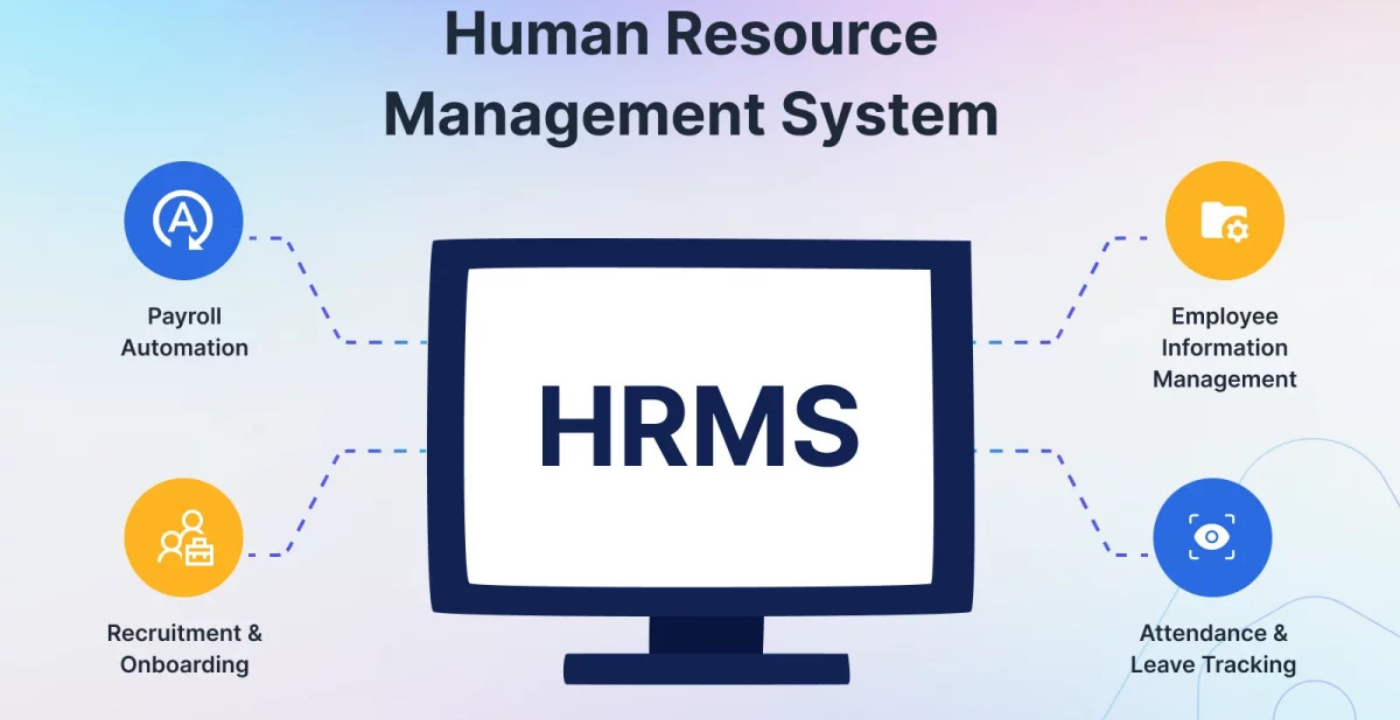
A Human Resource Management System (HRMS) is software designed to automate and streamline core HR functions. It focuses on managing day-to-day administrative tasks, helping HR teams reduce manual work and improve operational efficiency.
Typical HRMS features include:
- Employee records management
- Payroll processing
- Attendance and time tracking
- Leave management
- Benefits administration
- Employee self-service portals
- Compliance management
- Reporting and analytics
The primary goal of an HRMS is to simplify HR operations while ensuring accuracy and compliance.
What Is HCM?
Human Capital Management (HCM) is a broader approach that goes beyond administrative HR functions. It treats employees as valuable business assets and focuses on attracting, developing, engaging, and retaining talent.
An HCM platform generally includes everything found in an HRMS while adding strategic workforce management capabilities such as:
- Talent acquisition
- Recruitment management
- Onboarding
- Learning and development
- Performance management
- Succession planning
- Career development
- Workforce planning
- Employee engagement tools
- Advanced workforce analytics
Rather than simply managing employees, HCM helps organizations maximize employee potential and align workforce strategies with business objectives.

HRMS vs HCM: Key Differences
Although both systems improve HR operations, they differ in scope and strategic focus.
Feature |
HRMS |
HCM |
| Employee Records | ✔ | ✔ |
| Payroll | ✔ | ✔ |
| Attendance Management | ✔ | ✔ |
| Leave Management | ✔ | ✔ |
| Benefits Administration | ✔ | ✔ |
| Recruitment | Basic | Advanced |
| Performance Management | Limited | Comprehensive |
| Learning & Development | Limited | Extensive |
| Succession Planning | No | Yes |
| Workforce Planning | Basic | Advanced |
| Employee Engagement | Limited | Comprehensive |
| Strategic Analytics | Basic | Advanced |
In simple terms, HRMS focuses on managing HR operations, while HCM supports both operational efficiency and long-term workforce strategy.
Benefits of an HRMS
For many small and medium-sized businesses, an HRMS provides everything needed to manage daily HR responsibilities efficiently.
Key advantages include:
Improved Efficiency
Automating repetitive HR tasks saves time and reduces administrative workload.
Reduced Errors
Automated payroll calculations and attendance tracking minimize manual mistakes.
Better Compliance
HRMS solutions help organizations maintain accurate records and comply with labor regulations.
Cost Savings
Automation reduces paperwork and administrative expenses while improving productivity.
Centralized Employee Information
All employee data is securely stored in one system, making information easy to access and update.
Benefits of HCM
Organizations with growing workforces or strategic talent goals often benefit from an HCM platform.
Major advantages include:
Better Talent Acquisition
Advanced recruitment tools help attract and hire qualified candidates more efficiently.
Employee Development
Learning management systems support continuous employee training and professional growth.
Higher Employee Engagement
Performance reviews, goal tracking, and feedback systems encourage motivation and retention.
Improved Workforce Planning
Analytics help leaders make informed decisions regarding staffing, succession, and future hiring needs.
Stronger Business Alignment
HCM connects HR initiatives directly to organizational objectives, helping companies build a high-performing workforce.
Which Businesses Should Choose HRMS?
An HRMS is typically the better choice if your organization:
- Has a small or medium-sized workforce
- Needs payroll and attendance automation
- Wants to reduce administrative work
- Focuses primarily on HR operations
- Has limited HR complexity
- Requires compliance and reporting tools
Businesses seeking operational efficiency without extensive talent management often find HRMS sufficient.
Which Businesses Should Choose HCM?
An HCM platform may be the better investment if your organization:
- Is experiencing rapid growth
- Has multiple office locations
- Frequently recruits new employees
- Invests heavily in employee development
- Requires succession planning
- Prioritizes employee engagement
- Uses workforce analytics for strategic decision-making
Larger organizations often benefit from HCM because it supports long-term workforce planning alongside routine HR administration.
Factors to Consider Before Choosing
Before selecting an HR solution, evaluate the following:
Company Size
Small businesses often require fewer features than large enterprises with multiple departments.
Growth Plans
Choose software that can scale with your business as your workforce expands.
Budget
Consider both implementation costs and long-term value rather than selecting solely based on price.
Integration
Ensure the system integrates with accounting software, payroll systems, ERP platforms, and collaboration tools.
Ease of Use
A user-friendly interface improves adoption among HR teams, managers, and employees.
Customer Support
Reliable implementation assistance and technical support are essential for successful software deployment.
Can HRMS and HCM Work Together?
Many modern software providers now combine HRMS and HCM capabilities into a single platform.
Organizations can begin with core HR features such as payroll and attendance management, then gradually activate modules for recruitment, performance management, learning, and workforce planning as business needs evolve.
This modular approach allows companies to scale their HR technology without replacing existing systems.
The Future of HR Technology
Modern HR software continues to evolve through artificial intelligence, automation, predictive analytics, and cloud-based solutions.
Emerging capabilities include:
- AI-powered recruitment
- Automated resume screening
- Predictive workforce analytics
- Employee sentiment analysis
- Personalized learning recommendations
- Digital onboarding
- Self-service HR assistants
These innovations enable HR professionals to spend less time on administrative tasks and more time supporting organizational growth.
Conclusion
While HRMS and HCM share many core HR functions, they serve different organizational needs. HRMS focuses on automating administrative processes such as payroll, attendance, and employee records, making it ideal for businesses seeking operational efficiency. HCM takes a broader approach by incorporating talent management, employee development, workforce planning, and strategic HR initiatives that help organizations build a stronger workforce.
The right choice depends on your company’s size, growth plans, and long-term objectives. If your primary goal is streamlining HR operations, an HRMS may be sufficient. However, if you’re focused on attracting, developing, and retaining top talent while aligning HR with business strategy, an HCM platform offers greater long-term value.
FAQs
1. What is the main difference between HRMS and HCM?
HRMS primarily manages administrative HR functions, while HCM includes those functions plus strategic talent management, employee development, and workforce planning.
2. Is HCM better than HRMS?
Not necessarily. HCM offers more advanced capabilities, but HRMS may be the better choice for businesses with simpler HR requirements.
3. Can small businesses use HCM software?
Yes. Many HCM platforms offer scalable solutions suitable for growing small businesses that want advanced HR capabilities.
4. Does HCM include payroll management?
Yes. Most HCM systems include payroll along with recruitment, performance management, learning, and workforce planning features.
5. How do I choose between HRMS and HCM?
Evaluate your workforce size, business growth plans, HR complexity, budget, and long-term talent management needs before selecting a solution.